
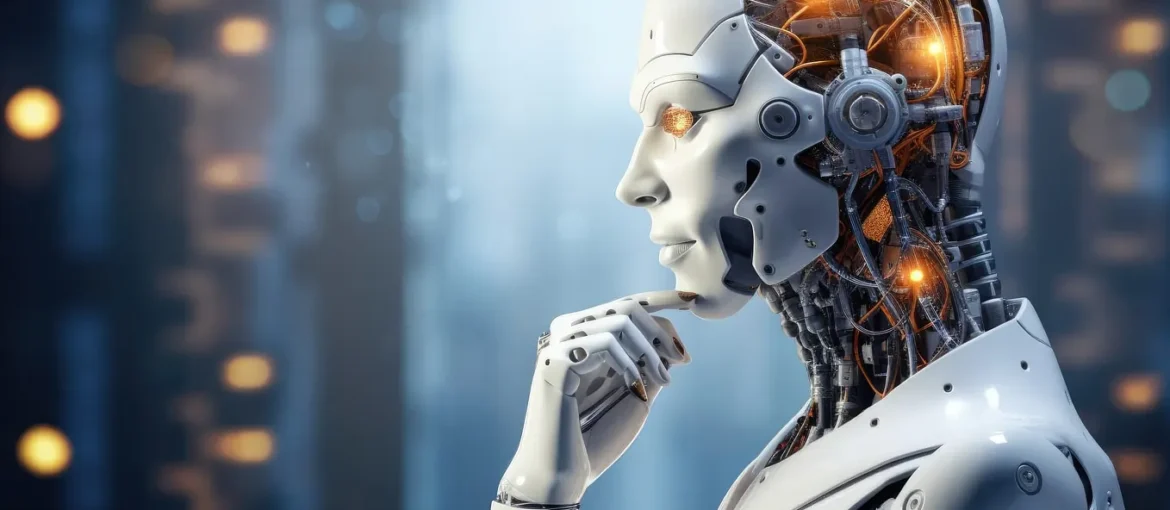
For decades, machines were tools — rigid, command-based systems that followed instructions without understanding. However, today’s AI has evolved into something far more intuitive: a conversational partner that people can actually communicate with. From customer support to voice assistants, AI now interacts with humans in ways that feel natural, fluid, and surprisingly comfortable.
But why is it so easy for humans to talk to AI? And how are machines learning to communicate in ways that feel “human”?
The answer lies in a fascinating intersection of psychology, language, and technology.
Why Humans Feel Comfortable Talking to AI
Humans prefer communication that feels safe, predictable, and judgment-free. Interestingly, modern AI agents deliver exactly that.
1. No Judgment, No Bias — Just Answers
People often feel more at ease asking “silly” or sensitive questions to AI because they know the machine won’t judge them. This reduces social anxiety, which increases trust and openness.
2. Instant Responses Create Emotional Satisfaction
AI responds immediately. According to cognitive psychology, instant feedback triggers a sense of accomplishment and reduces uncertainty — making the interaction more rewarding.
3. Clear, Concise Language Feels Effortless
Humans naturally trust communication that’s easy to process. AI agents eliminate unnecessary complexity, making conversations smooth and stress-free.
4. Predictability Lowers Mental Load
AI communicates consistently — tone, flow, and clarity remain stable. This predictability reduces cognitive load, helping users relax.
How AI Learns to Communicate Like Humans
The ease of human-AI communication is not accidental. It’s the result of three major developments:
1. Natural Language Processing (NLP)
NLP allows AI to interpret human language — understanding grammar, context, slang, and intentions.
This means AI can understand:
- “I need help ASAP”
- “I’m confused, what do I do next?”
- “Wait, that doesn’t make sense”
…with human-like accuracy.
2. Emotional Intelligence Through Sentiment Analysis
AI can now detect tone, urgency, and emotional cues. Whether the user is frustrated, excited, or confused, the AI adjusts its replies accordingly.
3. Contextual Memory
By remembering previous conversations or the user’s situation, AI provides continuity — a key element of good communication.
The Psychology Behind AI That Feels “Human”
Several psychological triggers make AI communication feel surprisingly natural:
1. The Social Presence Effect
Humans instinctively treat anything that talks like a person as a person.
This phenomenon makes users respond to AI with the same courtesy, trust, and openness they offer human agents.
2. The Comfort of Predictable Patterns
Brains love patterns. AI’s structured dialogue patterns feel safe, especially compared to the unpredictable nature of human communication.
3. Cognitive Offloading
AI helps users solve problems without thinking too hard. This cognitive relief makes interactions feel helpful and non-stressful.
4. Reduced Emotional Pressure
Talking to AI removes social pressure — no need to impress, justify, or worry about reactions.
This psychological freedom increases comfort and engagement.
Why Businesses Benefit from AI That Communicates Well
When machines communicate effectively, everyone wins — especially businesses.
AI Communicators Improve Customer Experience
- Polite, consistent tone
- Instant answers
- 24/7 support
- Empathy-aware responses
This results in higher customer satisfaction and lower support costs.
Faster Problem Resolution
With clear instructions and logical flow, AI guides users more efficiently.
Stronger Customer Trust
Emotion-aware communication builds brand credibility and loyalty.
Scalability Without Hiring More Staff
A single AI agent can handle thousands of conversations simultaneously without losing quality.
The Future: AI That Understands Us Better Than We Understand Ourselves
As AI becomes more emotionally aware and context-intelligent, human-AI communication will reach new heights. Soon, machines will:
- Predict user needs
- Sense emotional shifts in real time
- Personalize conversations for each individual
- Act as digital companions rather than just assistants
We’re entering an era where communication with AI feels not just easy — but almost instinctive.
Machines are becoming good communicators because they’re learning to adapt to us. The psychology behind human-AI ease reveals a powerful truth: when technology learns to decode human emotions, intentions, and tone, it no longer feels like a machine — it feels like a partner.
Businesses that leverage emotionally intelligent AI will lead the next communication revolution. Read more.
Leave A Comment